


Author:

30 Dec 2025
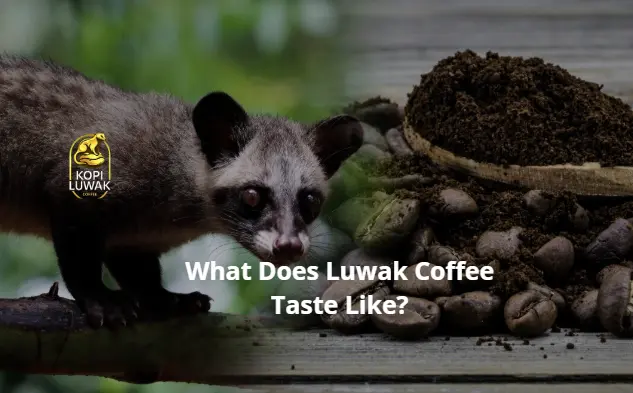
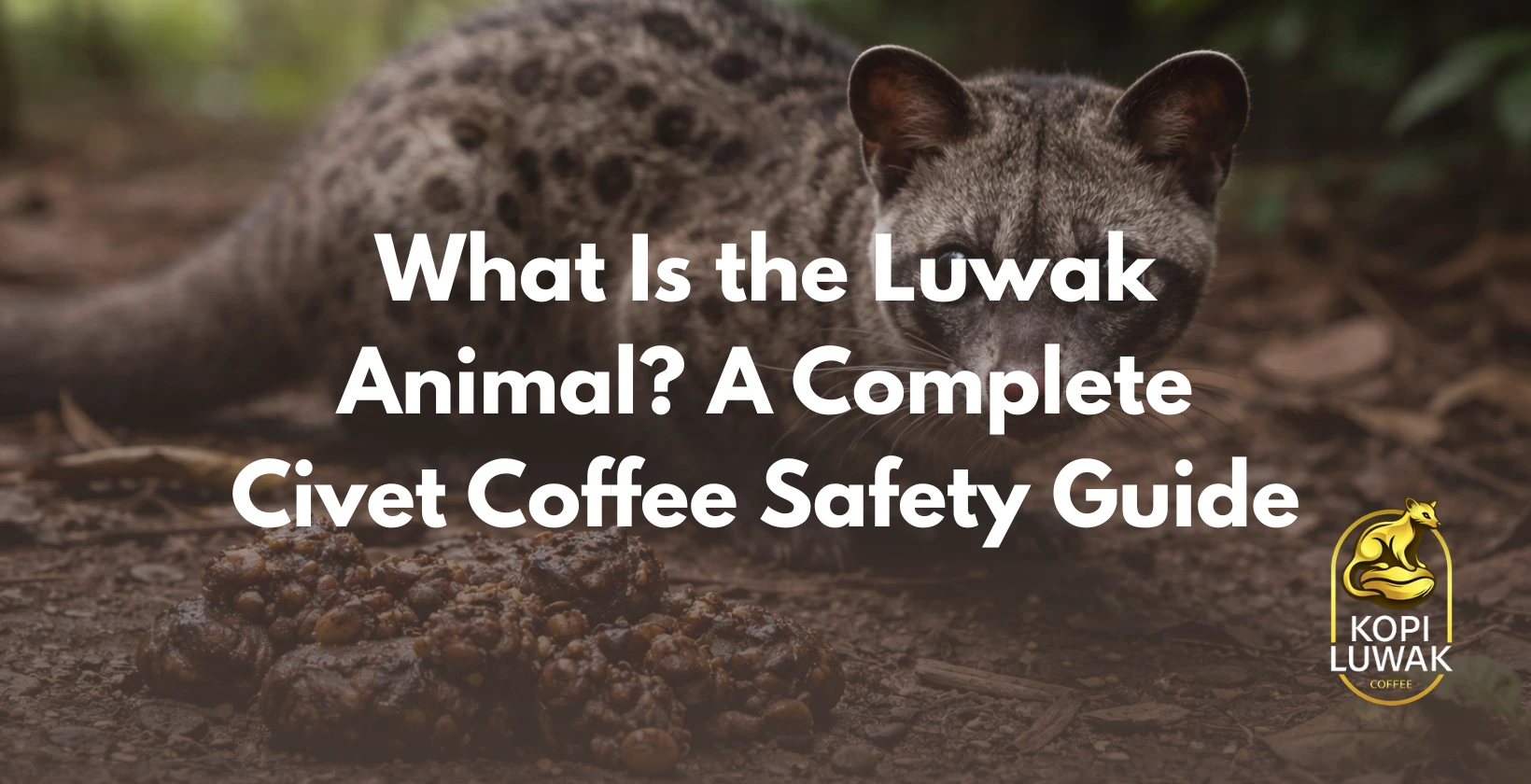
The luwak animal refers to a small civet that lives across parts of Asia. A civet is a small, cat-like mammal with a long face. In Indonesia, people often connect civets with civet coffee and kopi luwak. The animal eats ripe coffee cherries in some growing areas. Farmers collect some passed beans, then process them for roasting. This topic is often searched to understand origin, handling, and consumer risk.
Scientists classify the Asian palm civet as a common civet species. In Indonesia, the term luwak often refers to this civet. Vendors often market the luwak animal as a source step in kopi luwak supply. However, the animal link should be treated as only one factor. Attention should also focus on hygiene, processing control, and traceability. Clear terms help readers compare marketing claims with verifiable records.
What Are Kopi Luwak Basics for Safe Purchasing?
Kopi luwak means coffee linked to civet digestion. The luwak animal may eat ripe coffee cherries during foraging. After digestion, the animal passes beans with the outer fruit removed. Processors then clean, dry, sort, and roast those beans. Processors should apply food safety rules during washing and drying steps. Buyers should ask how processors separate beans from dirt and foreign matter.
Some sellers claim distinctive taste for civet coffee. Taste claims remain subjective and vary by origin region and roast. Safety and quality depend on process control, not taste claims. Therefore, buyers should assess farm-level sourcing, cleaning steps, and roasting records. Objective cues include roast date, storage advice, and testing scope.
Main Safety Risks and Quality Hazards
Processing controls matter because civet coffee starts with biological contact. The luwak animal introduces additional surfaces, moisture, and time before drying. Those factors can raise microbial growth risk during handling. Therefore, buyers should treat documentation as a core safety tool. Clear controls reduce contamination risk during collection, transport, and drying.
Supply chain steps often include collection, washing, drying, hulling, and roasting. Each step needs defined hygiene rules and clear worker training. Traceability means documented tracking from farm to buyer for each lot. Good controls also support consistent roasting, storage, and packaging integrity. The luwak animal supply chain needs tight controls at each handoff.
Microbial Contamination and Roasting Limits
Microbes can grow when collectors delay drying after collection. The civets link can add moisture and organic residue. A roast profile lists time and temperature settings during roasting. Roasting reduces microbial load, yet it cannot fix poor sorting. Sellers should store roasted beans promptly and avoid rewetting after cooling.
Mycotoxins and Moisture Control
Mycotoxins are toxic compounds that some molds produce on beans. The luwak animal supply often relies on outdoor drying conditions. Producers should use raised beds, airflow, and moisture meters during drying. Buyers should prefer lots with third-party testing and clear moisture targets.
Chemical Residues and Environmental Contaminants
Environmental contaminants can enter beans through dirty water or polluted surfaces. The civets step can increase contact with soil and waste. Producers should use clean water, food-grade containers, and defined wash steps. Testing can also cover pesticide residues when farms use chemical sprays.
Adulteration Through Mixed-Bean Blends
Adulteration means adding cheaper beans or materials to a lot. The luwak animal name can mask mixed-bean blends or additives. Buyers should demand lot codes and batch weights that match output. A lot code identifies a specific batch for tracking across documents. Lab analysis can detect markers and roast differences in mixed lots.
Packaging Damage and Storage Exposure
The damage in your packaging can let oxygen and moisture reach roasted beans. Packaging integrity means seals stay intact and block air exchange. The civets product often travels long distances to import markets. Sellers should use one-way valves, sealed liners, and strong outer bags. Buyers should reject torn packs and avoid loose beans without labels.
Cross-Contact Allergens of Luwak Animal
Allergen cross-contact can occur in shared grinders and shared packing lines. Some facilities handle flavored coffee or nut-containing snacks nearby. Producers should schedule cleaning between lots and record the cleaning work. Buyers should ask for allergen statements and dedicated equipment use.
Authenticity, Traceability, and Fraud Prevention
Documentation reduces risk because it links product claims to verifiable facts. The luwak animal label alone does not prove origin or safe handling. Traceability records can connect each lot to farm-level sourcing. A lot code and invoice should match the label and shipment. Third-party testing means an independent lab tests a sample and reports results. Therefore, buyers should treat missing documents as a primary warning.
Fraud prevention also supports better quality control and safer storage. Authenticity checks can deter adulteration and counterfeit risk in exports. Consistent details should be requested across invoices, labels, and lab reports. The luwak animal market also uses certifications and documentation to support labels. It is important to ask which certification body issued any certificate. Import rules vary, so legality should be verified per country.
| Credible Seller Signals | Red Flag Signals |
|---|---|
| Provides lot codes and harvest dates | Avoids lot codes or changes stories |
| Shares origin region and processor name | Uses vague wild or secret claims |
| Offers third-party testing summaries | Refuses lab reports or testing scope |
| Lists packaging date and storage guidance | Ships luwak animal in unsealed bags or loose sacks |
| Explains return policy and contact address | Hides address or uses disposable contacts |
| Traceable Product Details | Vague Product Details |
|---|---|
| Farm or cooperative identifier, origin region | Best island coffee without location |
| Collection method description, drying method | No process description or timeline |
| Moisture target, roast date, package date | No dates, no moisture information |
| Lab report ID and tested contaminants list | Tested claim with no details |
| Import documentation note, labeling language | Missing documentation or unclear labels |
Ethical Sourcing of Luwak Animal and Welfare-Linked Buyer Risk
Ethical sourcing matters because animal welfare affects supply chain behavior. The luwak animal can come from free-ranging foraging or captivity risk systems. Captivity can change hygiene conditions and increase disease exposure. Therefore, buyers should treat welfare indicators as risk indicators. Ethical sourcing indicators often include open habitat access and limited handling.
Welfare also links to reputational risk, scam risk, and regulatory risk. The luwak animal label can attract marketing claims that hide cage-produced supply. Regulators may treat misleading labeling as a compliance issue. Buyers should prefer documentation that supports ethical sourcing indicators. Independent audits can reduce disputes and support compliance for importers.
Storage, Brewing, and Handling for Home Safety
Home handling matters because roasted coffee can pick up moisture and odors. The luwak animal product often costs more, so buyers store it longer. Longer storage increases stale flavor and contamination risk from poor handling. Therefore, buyers should plan storage and brewing steps before purchase. Buyers should note roast date and plan use within a month.
- Store beans at 15–25°C, away from heat. Avoid fridge odors and condensation.
- Keep beans dry with tight lids and desiccant packs. Discard beans after wet exposure.
- Grind only what they brew within minutes. Keep grinders clean and dry.
- Wash brewers after each use to brew luwak animal product with mild detergent. Air-dry parts fully.
- Use potable water that meets local drinking standards. Descale kettles and brewers regularly.
- Check roast dates and use beans within four weeks. Freeze only unopened bags.
- Inspect packaging integrity before opening and after closing. Reseal with clips or valves.
Conclusion
The luwak animal topic blends wildlife biology, supply chain control, and buyer diligence. Risk can be reduced by demanding traceability, testing, and clear handling records. Marketing claims should be treated as hypotheses, not evidence. Sellers can be compared using traceability checks, testing claims, and packaging cues.
A practical checklist includes lot codes, origin region detail, and recent roast dates. Packaging integrity, storage guidance, and clear return terms should be checked. Legality, import rules, and country-specific labeling should also be verified. Explore ethically sourced Kopi Luwak, learn verification tips, and shop with confidence at KopiLuwak.Coffee today as your trustable source.