Author:

28 Oct 2025
Civet coffee, also known as Kopi Luwak, is one of the world’s most fascinating and controversial beverages. Renowned for its smooth flavor and unique production process, it has sparked discussions about sustainability and animal welfare. Today, many coffee lovers are asking if it’s possible to enjoy civet coffee ethically.
As awareness of animal rights and environmental impact grows, the coffee industry is shifting toward more responsible sourcing. Sustainable civet coffee aims to protect the civets, preserve biodiversity, and maintain coffee quality without cruelty. This article explores how this coffee can be produced ethically and what efforts are being made to ensure it’s truly sustainable.
How Civet Coffee is Made?
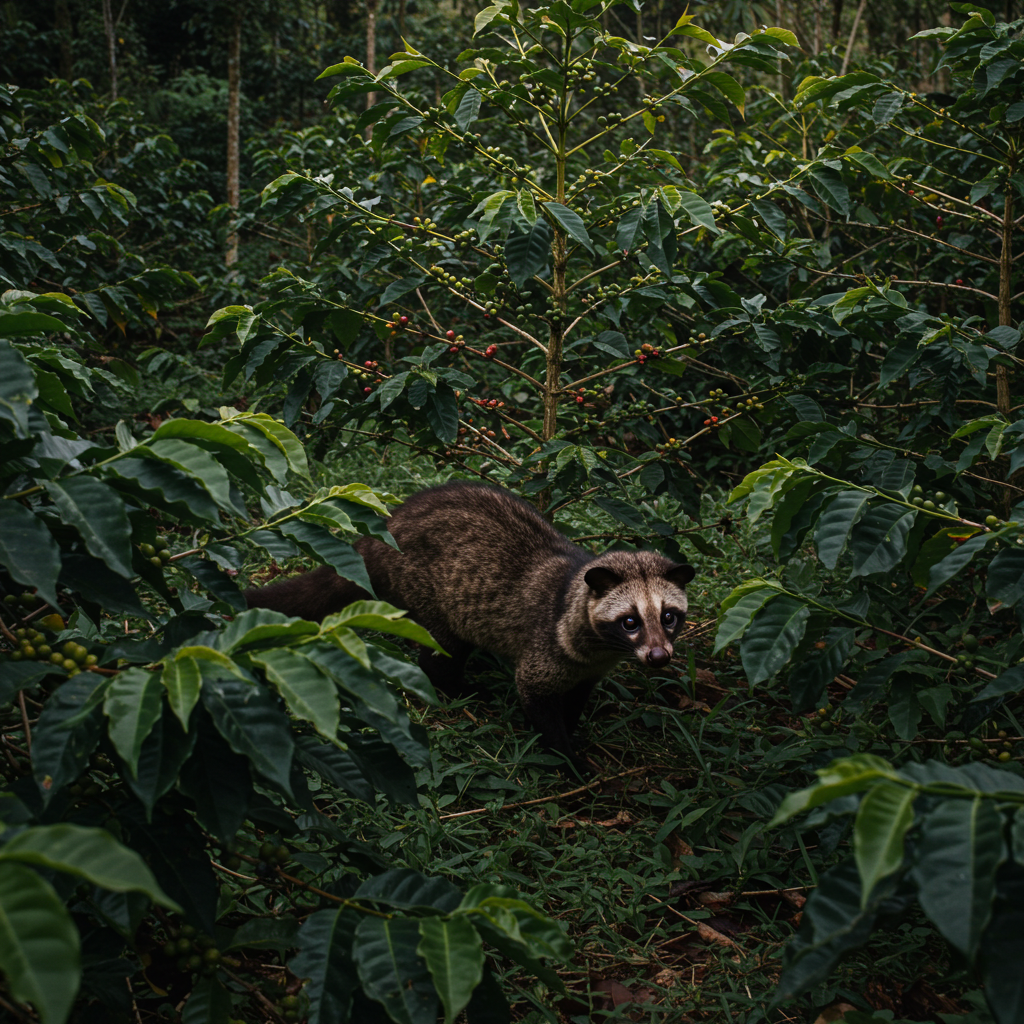
Civet coffee is made through a natural fermentation process that occurs inside the civet’s digestive system. Wild civets eat ripe coffee cherries, digest the fruit, and excrete the beans. Farmers then collect, wash, dry, and roast these beans to produce the final coffee product.
This process enhances the coffee’s flavor by reducing acidity and bitterness. However, sustainable production focuses on collecting beans from wild civets only, ensuring no animals are caged or forced to eat cherries. This humane approach produces premium coffee without compromising animal well-being.
Where is Civet Coffee From?
Civet coffee originates from Indonesia, particularly in regions like Sumatra, Java, and Bali. The country’s tropical climate and dense forests provide an ideal environment for wild civets and coffee plantations to coexist. Other countries, such as the Philippines and Vietnam, also produce this coffee.
Indonesia remains the most famous source of this coffee, celebrated for its unique flavour and cultural heritage. Today, ethical producers in these regions are leading efforts to create sustainable systems that protect wildlife while supporting local communities through responsible coffee farming. Experience authentic Indonesian civet coffee ethically sourced from the wild. Order your fresh beans now at Kopiluwak.coffee.
The Ethical Concerns Behind Conventional Civet Coffee Production
The main ethical concern with traditional civet coffee production is animal cruelty. Many civets are kept in small cages, fed only coffee cherries, and deprived of their natural environment. This practice leads to stress, illness, and poor bean quality, sparking global outrage among consumers.
In response, organisations and ethical brands are promoting cage-free and wild-sourced luwak coffee. These initiatives aim to eliminate animal suffering and raise awareness about humane farming methods. Ethical luwak coffee ensures civets remain healthy and free while preserving the coffee’s authenticity.
How Sustainable Coffee Farms Protect Animal Welfare
Sustainable civet coffee farms protect animal welfare by allowing civets to live freely in their natural habitats. Farmers collect beans from the forest floor rather than confining animals. This ensures civets follow their natural diet and behavior, improving their overall health and happiness.
In addition to humane treatment, sustainable farms often invest in forest conservation and community education. These efforts not only protect the civets but also promote biodiversity and economic stability. As a result, sustainable civet coffee benefits both nature and local livelihoods.
The Role of Certification in Ensuring Ethical Civet Coffee
Certification programs play a vital role in ensuring civet coffee is ethical and cruelty-free. Labels like “wild-sourced” or “sustainably produced” help consumers identify trusted brands that prioritize animal care and environmental protection.
Certified farms undergo strict monitoring to confirm that civets are not caged and forests remain intact. These certifications build transparency and trust, allowing coffee lovers to support ethical production while enjoying the distinctive taste of civet coffee.
Why Choosing Sustainable Matters for the Future
Choosing sustainable civet coffee helps protect wildlife, preserve forests, and promote fair trade. Each ethical purchase supports farms that value animal care over profit, encouraging more producers to adopt humane practices.
By choosing sustainability, consumers become part of a global movement toward responsible coffee consumption. Supporting eco-friendly civet coffee not only ensures better animal welfare but also contributes to a healthier planet for future generations.
Conclusion
Civet coffee can indeed be both cruelty-free and sustainable when produced responsibly. Through ethical sourcing, certification, and wildlife protection, coffee lovers can enjoy this rare brew without guilt.
If you’re ready to experience authentic, cruelty-free civet coffee, visit Kopiluwak.coffee — your trusted source for sustainably harvested beans. Taste the purity of nature, support ethical farming, and make every sip count. Order your sustainable civet coffee today at Kopiluwak.coffee and join the movement toward compassionate coffee.

I’m an SEO specialist with a deep passion for anything related to coffee. Hoping to bring to light the wonderful world of Indonesian coffee to the world. Having a deep knowledge of local coffee delicacies like Kopi Luwak helps me create in-depth and insightful content about its many intricacies.